
Why Are Autoimmune Diseases Increasing So Rapidly?
To understand why autoimmune diseases are increasing so rapidly, we need to examine the processes leading to autoimmunity.
WHAT IS AUTOIMMUNITY?
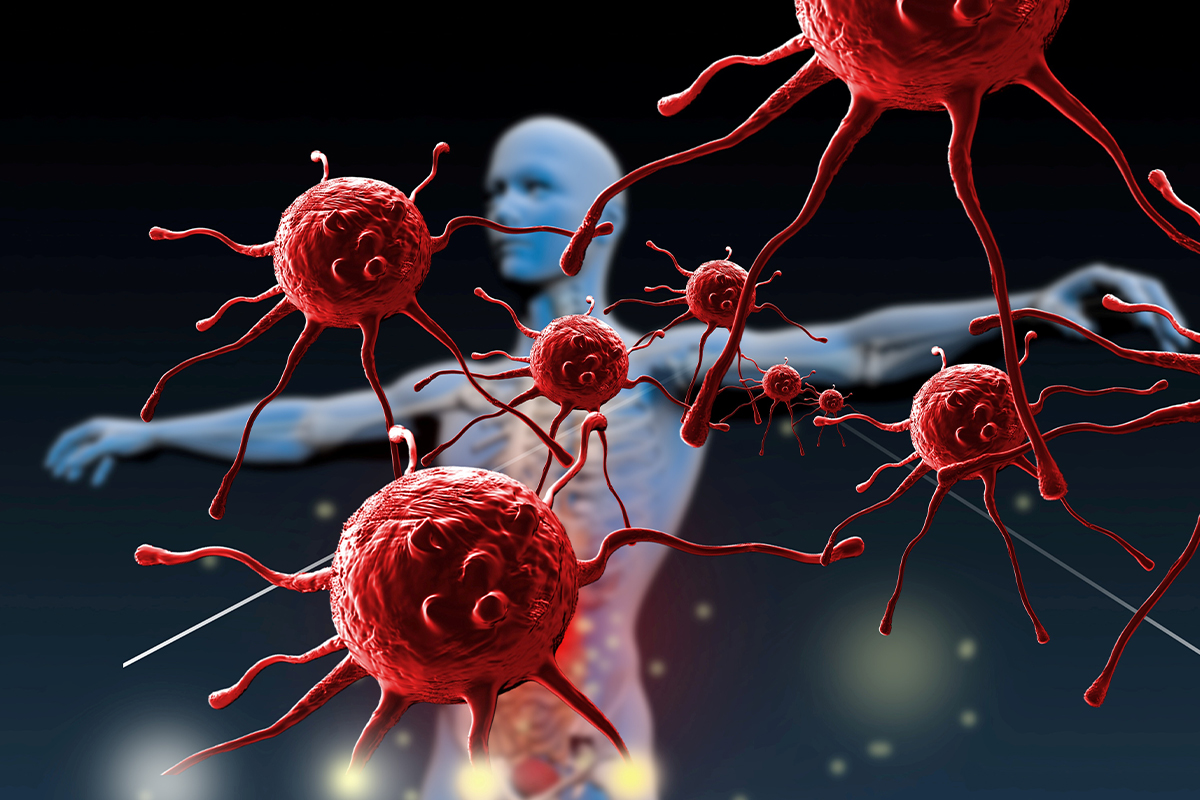
The diseases that occur when our body’s defense (immune) system perceives our own cells, tissues, and organs as foreign or harmful, attacks them, and causes destruction are called AUTOIMMUNE DISEASES, and the process is called AUTOIMMUNITY.
WHAT ARE AUTOIMMUNE DISEASES?
There are many autoimmune diseases. Among these, the most common ones are Rheumatoid Arthritis, Type 1 Diabetes, Psoriasis Disease, Multiple Sclerosis (MS), Lupus Disease, Hashimoto’s Thyroiditis, Crohn’s Disease, and Celiac Disease.
WHAT DOES SELECTIVE PERMEABILITY OF THE INTESTINES MEAN?
Thanks to the Selective Permeable property of our intestines, only fully digested nutrients are absorbed and pass into the bloodstream. Products that are not fully digested (macromolecules), toxins, microbes, and products we don’t need are PREVENTED from being absorbed and passing into the bloodstream thanks to the Selective Permeable property of the intestinal absorption surface. The most important factor in preserving the Selective Permeable property of our intestines is MUCUS. Mucus covers the inner surface of the intestine as a film layer, and thus the inner intestinal surface (endothelium-inner skin layer) does not come into direct contact with the intestinal contents (digestive secretions and the foods we eat). Thanks to mucus, our intestines are protected from the destructive chemical, physical, and biological effects of digestive enzymes and foods. In the absence, insufficiency, or dysfunction of the mucus layer, our digestive enzymes, just as they break down and digest foods, similarly cause damage to the inner intestinal surface and consequently result in the disruption of Selective Permeability.
WHAT HAPPENS IF SELECTIVE PERMEABILITY IS DISRUPTED IN OUR INTESTINES?
With the disruption of selective permeability in our intestines, incompletely digested food elements, toxins, and microbes that should not be absorbed from our intestines and enter the bloodstream begin to pass through our intestines in an uncontrolled manner and enter the bloodstream. Immune system elements try to destroy foreign and harmful elements that should not enter the bloodstream and protect our body from their harmful effects. All diseases associated with the disruption of selective permeability are classified under LEAKY GUT SYNDROME. While the immune system tries to destroy products entering the bloodstream uncontrollably, it also tries to repair the surface damage in the intestine and prevent uncontrolled entry. If the intestinal surface damage cannot be repaired for a certain period and uncontrolled passage continues, our immune system, at the cost of survival and to suffer less damage, irreversibly eliminates the absorption surface function of the damaged intestinal area through a fibrosis reaction. This is a loss of absorption surface area that cannot be regained. As a result, we irreversibly lose a portion of our existing intestinal absorption surface area.
We must remember that the wider and healthier intestinal absorption surface area we have, the healthier and higher quality life we can live.
HOW DOES THE AUTOIMMUNE PROCESS BEGIN?
As a result of our intestines losing their Selective Permeable property, the uncontrolled passage of intestinal contents into the bloodstream becomes chronic. While our immune system tries to destroy products that should not pass into the bloodstream, after a certain period, our immune system becomes tired and loses its coordination, perceiving our own cells and tissues as harmful and foreign, and mistakenly begins to attack our own tissues. We call this event AUTOIMMUNITY and the diseases formed in this way AUTOIMMUNE DISEASES.
THE IMPORTANCE OF OUR FLORA IN SELECTIVE PERMEABILITY
MUCUS, which is the most important factor in preserving selective permeability in our intestines, is secreted by specific cell groups covering the inner intestinal surface. Throughout our entire digestive system, microorganisms with special functions colonize in specific regions. These are called FLORA. Flora elements are extremely important in mucus formation and maintaining active mucus.
WHAT IS FLORA?
We live together with single-celled organisms in thousands of varieties that live with us in certain parts of our body, have vital functions for us (enzymatic, detoxification, antimicrobial, etc.), and constantly reproduce themselves. Their general name is FLORA. They are named according to their location (oral flora, large intestine flora, outer ear canal flora, genital area flora, etc.).
HOW IS FLORA ACQUIRED?
Our flora forms after birth through contact with our environment. During this process, close contact with people who have healthy and biodiverse flora enriches our flora. Living in narrow and isolated environments, close contact with people with unhealthy flora, nutritional deficiencies, and living in environments that can harm our flora will negatively affect our flora quality and biodiversity.
WHAT HAPPENS IF FLORA DAMAGE OCCURS?
After flora damage, the decrease in biodiversity causes problems in mucus formation and maintenance along with the disruption of digestive functions. After flora damage, the path toward Leaky Gut Syndrome is opened.
HOW DOES FLORA DAMAGE OCCUR?
Bad environmental factors, eating disorders, nutritional deficiencies, digestive system surgeries undergone, antibiotics, pesticides, Genetically Modified Organisms (GMO), chemotherapy, radiotherapy, etc. are the most important factors in the formation of flora damage.
INTENSIVE USE OF ANTIBIOTICS
With the discovery of penicillin by Alexander Fleming in 1928, the use of antibiotics in disease treatment began. Antibiotics are used to fight harmful microbes, but they also harm the microorganisms that make up our flora. Unnecessary and uncontrolled antibiotic use is effective in the flora damage that occurs.
PESTICIDE USE
All chemical substances used to destroy or minimize the harmful effects of biological elements such as viruses, bacteria, fungi, insects, rodents, weeds, etc. that harm the development and productivity of agricultural products are called PESTICIDES. A pesticide is generally a formulation consisting of a mixture of various chemical substances.
It was first used in 1938.
While pesticides increase agricultural productivity, they reduce biodiversity and pollute our water resources. Pesticide residues on agricultural products harm humans and animals. Pesticide residues are one of the most important threats to our flora. Pesticides cause chronic effects as well as acute effects by accumulating in the body.
We are exposed to pesticides in an uncontrolled manner through many ready-made foods. Pesticides are not only on the outer surface of agricultural products but also penetrate inside the product. Only a portion of the pesticides on the product surface can be removed by washing.
Pesticide residues were detected in 83% of soil analyses conducted in Europe. In the same research, pesticides were detected at worrying levels in 24% of water resources. At least 2 pesticide residues were detected in 84% of the people included in the research.
It is observed that babies, children, and elderly age groups are most affected by pesticide exposure.
What can be done to protect from pesticides:
- Consuming local and seasonal products
- Preferring organic certified products
- Preferring controllable agricultural products
- Supporting farmers through food cooperatives
- Supporting awareness activities about pesticides
GENETICALLY MODIFIED FOOD (GMO)
GMO is a general definition used for organisms whose genetic structure has been modified using genetic engineering methods, primarily on agricultural plants, as well as animals and microorganisms. GMO products are made using recombinant DNA technology.
The greatest harm of GMO to nature is that it causes a decrease in biodiversity through pollination in plants.
The main agricultural products produced as GMO are tomatoes, potatoes, rice, wheat, pumpkins, sunflowers, tobacco, and sugar beets.
GMO was first done in 1973 by Herbert Boyer and Stanley Cohen as DNA transfer from one bacterium to another.
The main purpose of using GMO is to increase productivity in agricultural products, extend the shelf life of products, enable the acquisition of newly developed microorganisms, increase resistance to diseases in plants and animals, etc.
CHEMOTHERAPY
The cancer chemotherapy era began in the 1940s with the first use of nitrogen mustards and folic acid antagonist drugs. The basic mechanism of action in chemotherapy and radiotherapy used in cancer treatment is aimed at affecting rapidly dividing cells. Cancer cells multiply hundreds of times faster than cells in our body. However, along with this, the microorganisms that make up our flora are also rapidly dividing cell groups. Therefore, our flora is negatively affected by chemotherapy and radiotherapy.
RADIOTHERAPY
Following Marie Curie’s discovery of radium in 1898, the radioactive element is known to have been first used in 1903 to treat cancer. Radiotherapy forms the basis of modern cancer treatment today. Blood cells, which multiply fastest in our body, skin and its appendages (hair, etc.), as well as structures that make up our flora are among those most affected by chemotherapy and radiotherapy.
EXTENSION OF AVERAGE LIFE SPAN
With the increase in average age span and aging, an inevitable loss of function in all our tissues, organs, and systems is unavoidable. With the extension of average life span, cardiovascular diseases, cancer, musculoskeletal diseases, and dementia are rapidly increasing. Along with these diseases, there is also a decrease in the biodiversity of the FLORA we harbor in our body with aging.
All studies show that the better quality and higher biodiversity our flora has, the higher quality, happier, healthier, more productive, and longer life we live.
INCREASE IN SUGAR CONSUMPTION
Industrial sugar consumption has increased approximately 100 times in the last 100 years. Along with this, the rate of diabetes in the World has also risen from 0.5-1% to 15-17% levels. Although no direct relationship has been established between sugar use and autoimmune diseases, there is a correlation between the increase in sugar use and the rate of increase in autoimmune diseases.
INCREASE IN INDUSTRIAL FOOD CONSUMPTION
One of the most important problems with industrial foods is pesticide residues. Additionally, additives used to extend the shelf life of products are another negative factor for our flora.
ENVIRONMENTAL POLLUTION WITH INDUSTRIALIZATION
Due to environmental pollution caused by industrialization, everything from the air we breathe to the food we eat and the water we drink is negatively affected.
PERCEIVING HYGIENE AS STERILIZATION
What is meant by hygiene is protecting ourselves from harmful microbes that can harm us. Not all microorganisms are harmful to us; on the contrary, many microorganisms in our environment are of vital importance to us. Perceiving hygiene as a microbe-free environment and taking excessive precautions harms us and our environment. We need to have contact with plants, soil, animals, and people in nature under healthy conditions. In this way, our flora is enriched and our immune system is strengthened.
DECREASE IN CONTACT WITH THE STREET
It is not possible for a child without contact with the street to strengthen their immune system and flora.
TRANSITION FROM LARGE EXTENDED FAMILIES TO INDIVIDUAL LIVING
While in the past people lived in extended families, nowadays smaller families and individual isolated living are more common. With the reduction in family sizes, the flora to be acquired also decreases. The more we are in long-term and close contact with healthy people with high biodiversity, the healthier and higher biodiversity flora we will have. The more food products belonging to different cultures we consume, the richer our flora will be.
CONCLUSION
The use of antibiotics, chemotherapy, and radiotherapy in treatment in the last 75-80 years, the use of pesticides in agriculture and GMO foods, poor environmental conditions with industrialization, more isolated living, excessive chemical use in the cleaning sector, living in smaller families, close contact with fewer people, etc. factors constitute the most important obstacles in front of us in terms of acquiring FLORA and protecting our existing flora.
As a result of not being able to acquire sufficiently healthy FLORA or not being able to protect our existing flora sufficiently, serious disruptions in digestive system functions and subsequent damage to the intestinal absorption surface result in our intestines losing their SELECTIVE PERMEABLE property, causing AUTOIMMUNE processes and CHRONIC AUTOIMMUNE DISEASES to increase exponentially.
Having a healthy, sufficient, biodiverse digestive system flora constitutes the most important line of defense against the formation of AUTOIMMUNE diseases.
Any autoimmune disease that occurs facilitates the formation of other autoimmune diseases.
Without eliminating the factor causing autoimmunity, it is not possible to control existing autoimmune diseases. Autoimmune diseases can only be suppressed with drugs and diets used for palliative purposes. The autoimmune reaction caused by flora damage can only be curatively treated by repairing the existing flora damage.
The most effective method in repairing flora damage and restoring healthy flora is FLORA TRANSPLANTATION.
What really needs to be done in autoimmunity is to stay away from factors that can cause autoimmunity.
Assoc. Prof. Dr. Murat KANLIÖZ