
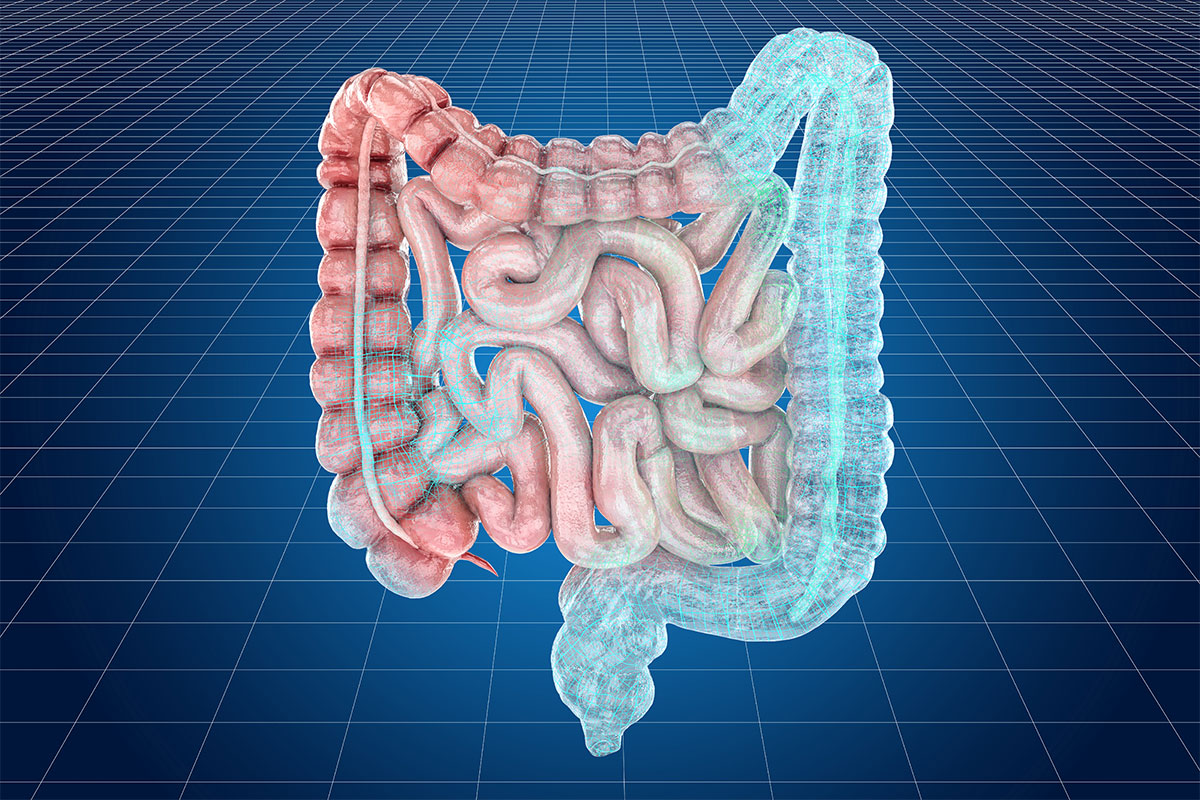
What Is Flora?
In some regions of our body, we live in magnificent harmony with thousands of types and trillions in number of single-celled living organisms (viruses, fungi, yeasts, bacteria, etc.) that live together with us, for which we act as hosts, that do not harm us, and that at the same time perform many beneficial functions for us (antimicrobial, biochemical, neurological, hormonal, etc.). These organisms have very short life spans, constantly renew themselves, feed on the foods we eat and our body secretions, and their locations in the body where they live (are hosted) and their functions are known. The general name for all of these is “MICROBIAL FLORA”. FLORA is also named according to the living organism on which it lives and the region where it lives on that organism. (Human digestive system flora, human throat flora, etc.)
Where Is Flora Found In Our Body?
We host thousands of diverse flora throughout the entire digestive system from the mouth to the anus, in the nose, upper respiratory tract, outer and middle ear, genital region, all of our skin, and the eye socket. Areas outside these regions are completely sterile and do not contain microorganisms (blood circulation, kidneys, brain, etc.). It would be more memorable to say: “We host flora in the areas of our body that come into contact with the outside world.”
Is Flora Found Only In Humans?
No. All animals and plants have flora living on them that are specific to their own genus and species.
What Are The Functions Of Flora?
Flora forms the first line of defense of the region where it lives against pathogenic microorganisms. It contributes to the acidity and moisture of the area where it is located. In our digestive system, they help digest nutrients and therefore support absorption. They either directly perform some synthesis functions or have functions that facilitate synthesis processes (vitamins, hormones, neurotransmitters, etc.). If the flora of the relevant anatomical region cannot be present in sufficient biodiversity and quantity, the vital functions that should take place there are partially or completely disrupted. If the flora of the relevant region is not in sufficient biodiversity and number in the area where it should be, that area is invaded by pathogenic microorganisms (microbes).
What Is Flora Biodiversity?
Since our subject specifically concerns digestive system flora, it will be more explanatory to describe it through this example. Tens of thousands of types of microorganisms living in the human digestive system have been identified. There are 1054 different bacterial species defined as digestive system flora. It is known where each species that makes up our flora settles and lives in our body and what its functions are, and these locations and functions are the same for all humans. If a new member of flora that has never existed in our body before enters our body, when it reaches the same region in our body where it is settled in other humans, it settles there and begins to multiply; this is called the genetic memory of the microorganism. Under normal conditions, the species that make up our flora in a healthy person do not settle or live in another region. The presence of flora elements in another region or excessive increase in a certain region is a pathological condition and a cause of disease (SIBO Disease, Obesity, Dysbiosis, etc.).
Each type defined as digestive system flora has a special function and performs beneficial tasks for us. We can think of each of these types as masters, technician engineers with special abilities. Therefore, the greater the diversity of our digestive system flora microorganisms, the higher the quality and efficiency of our vital functions. Our chance of being healthy, happy, peaceful, successful, productive, fertile, and long-lived is directly related to the quality of our flora and the biodiversity of our flora.
What Is The Importance Of Flora Biodiversity?
While high flora biodiversity is a healthy condition, decreased biodiversity creates a basis for digestive system dysfunctions, nutritional deficiencies, allergies, and autoimmune diseases.
Many studies show that the healthier, more balanced, and more biodiverse our flora is, the healthier we are. There is a direct relationship between flora biodiversity and human lifespan. In regions where average life expectancy is high, flora biodiversity is also observed to be high. In autoimmune diseases, chronic diseases, and dementia, flora biodiversity is seen to weaken.
The education, skill development, and social integration of children with autism who have flora dysfunction lag far behind autism groups with healthy flora.
How Is Our Flora Formed?
Our flora begins to take shape while we are still in the womb. With the birth process, we obtain the first acquisitions in our flora from our mother. Therefore, our mode of birth (vaginal or cesarean), our mother’s health status, and her flora are extremely important. Another important event that shapes our flora in the newborn period is receiving breast milk, as well as its adequacy and duration.
Having congenital genetic diseases, surgical procedures undergone, diseases experienced (especially infectious diseases), and medications used (especially antibiotics) are the most important risk factors that hinder the development of our flora.
The more crowded our close living environment is, the more our flora biodiversity is expected to increase. However, the flora quality of the environment with which we are in close contact has a direct effect on our flora.
We acquire flora through environmental contact. The quality of the foods and drinks we consume, the flora of the people we come into contact with, being present in many different geographical regions, and establishing close contact with different cultures are necessary for increasing our flora biodiversity.
We reach optimal flora biodiversity at an average age of 20-25.
Is Every Person’s Flora The Same?
No. Every person’s flora is not the same. However, the flora biodiversity of groups living in the same social environment and having the same living conditions is highly similar to each other.
Our flora shows differences during the newborn period, early childhood, adolescence, youth, pregnancy, postpartum period, menopause, and old age.
With aging, a decrease in our flora biodiversity is observed. The more flora biodiversity is preserved, the fewer signs of aging are seen, and they are delayed to later periods.
How Can We Preserve The Biodiversity Of Our Flora?
The life spans of the microorganisms that make up our flora are limited to hours and days. New flora members are constantly produced to replace those whose life span has ended, while flora members that have completed their life span are naturally swept along the digestive system and eliminated as stool (feces). In healthy people, 70% of stool volume consists of dead and living flora waste. Therefore, through “microbial analysis of stool,” we can obtain information about our current flora structure and digestive functions.
Our flora is nourished by the foods and drinks we consume and by our secretions. Our nutritional status is the most important factor in preserving the structure of our flora. Consuming natural products and having a balanced diet are important for our flora health. Environmental pollutants, toxic products, agricultural chemicals (pesticides), antibiotics, alcohol, genetically modified foods, etc. negatively affect our flora structure. Long-term starvation (death fast, hunger strike, intensive care processes), inadequate and unbalanced nutrition will cause flora damage.
Avoiding unnecessary antibiotic use is valuable in terms of protecting our flora.
How Can We Enrich Our Flora?
Long and close contact with more people who have healthy and highly biodiverse flora is the most important factor in enriching our flora. Being in many different geographical regions and establishing close contact with very different cultures are important in enriching our flora.
Eating naturally and consuming natural probiotics (pickles, yogurt, kefir, cheese, etc.) are important.
What Happens If We Do Not Have Flora?
If our flora loses its biodiversity, food allergies and nutritional disorders primarily occur. If the process progresses, a basis for autoimmune diseases develops. Unhealthy flora causes many diseases that affect our mental and physical health.
If we completely lose our flora, it is not possible for us to survive.
What Is The Relationship Between Our Flora And Autoimmune Diseases?
Thanks to our intestinal flora, digestion of nutrients is ensured. For the intestinal absorption surface to be healthy, the flora of the relevant region must have sufficient biodiversity. Thanks to sufficient biodiversity, the intestinal absorption surface can function healthily. Foods that have been fully digested are absorbed from our intestines and pass into the bloodstream. Our intestines have a SELECTIVE PERMEABILITY feature. Thanks to selective permeability, foods that have not been fully digested, substances that are unnecessary or harmful to us (toxins, microbes, etc.), and allergens cannot pass from the intestines into the bloodstream, or they can pass only to an extent that does not cause harm. The mechanism that ensures this controlled passage is the tight attachment of the cells lining the absorption surface to each other (tight junction). In addition, the absorption surface of the intestines and the entire digestive system is coated with a slimy, gel-like substance; this is called MUCUS. Thanks to MUCUS, direct contact of intestinal contents (food, digestive secretions, etc.) with the absorption surface is prevented. If the mucus layer is absent or insufficient, absorption surface damage and, consequently, impairment in SELECTIVE PERMEABILITY occur. This condition may develop due to many diseases. All diseases associated with impaired selective permeability of the intestine are classified under the heading LEAKY GUT SYNDROME. With the impairment of selective permeability, foods that have not been fully digested, allergens, toxins, and microbes begin to enter the bloodstream uncontrollably from the intestine. Our defense system makes intense efforts to destroy or eliminate harmful substances that enter the bloodstream even though they should not. If uncontrolled passage continues for a long time, our body irreversibly eliminates the functions of the intestinal segment where permeability is impaired in order to protect itself (villus atrophy). This situation is the loss of intestinal absorption surface area and is extremely important. It is not possible to regain the lost surface.
As uncontrolled passage from the intestines continues, and as our defense system becomes exhausted and loses coordination, our body perceives some of its own tissues and organs as foreign and harmful and attacks them as well, causing tissue damage. Diseases characterized by our defense system attacking our own tissues are called AUTOIMMUNE DISEASES (rheumatoid arthritis, Behçet’s disease, vitiligo, psoriasis, etc.). After any autoimmune disease develops, the formation of other autoimmune diseases accelerates.
How Is Flora Transplantation Performed?
From a healthy donor with high biodiversity, under general anesthesia, after endoscopic and colonoscopic preliminary examinations are performed and it is determined that there is no condition preventing the procedure, flora samples are collected separately into sterile containers from each of approximately 40-45 different anatomical areas from the mouth to the anus by washing and aspirating each area endoscopically and colonoscopically with solutions appropriate for the relevant region. After the collected flora samples undergo certain procedures, they are transferred to the same anatomical region of the patient from which they were taken from the donor, again through endoscopy and colonoscopy performed while the patient is under general anesthesia. This procedure is called FLORA TRANSPLANTATION. At least one donor is used for flora transplantation. In some cases, it may be necessary to use more than one donor in the same session. When multiple donors are used, the same procedures are also applied to the other donor candidates.
Who Can Undergo Flora Transplantation?
FLORA TRANSPLANTATION can be performed on individuals with diseases related to flora damage (autoimmune diseases, food allergy, nutritional disorder, leaky gut syndrome, SIBO, IBS, Ulcerative Colitis, Crohn’s Disease, Chronic Diarrhea, autism, dementia, etc.). If sufficient flora biodiversity is achieved through Flora Transplantation, diseases caused by flora damage can be treated.
How Is It Decided Whether A Patient Should Undergo Flora Transplantation?
Whether the patient needs FLORA TRANSPLANTATION is decided after examination and tests.
Can Flora Transplantation Be Performed On Every Patient Who Needs It?
The patient who will undergo Flora Transplantation must first be in a condition to tolerate general anesthesia. Flora transplantation cannot be performed in the following situations:
- Severe active infection or sepsis
- Bleeding disorder
- Coma state
- Intensive care process
- Chemotherapy process
- Radiotherapy process
- Severe neutropenia
- Aplastic anemia
- Inability to receive oral nutrition
- Ileus (intestinal obstruction or non-functioning intestine)
Can Every Candidate With High Flora Biodiversity Become A Donor?
High flora biodiversity is a prerequisite for being a donor candidate. However, not every candidate with high biodiversity can be accepted as a donor. For a person to become a donor, they must meet the criteria specified in Table 1 below. A donor candidate who meets the Table 1 criteria is scored according to the Table 2 criteria. In this scoring, the candidate is expected to have a score of at least 125 points or above.
Table 1: Total Gastrointestinal Flora Transplantation in the Treatment of Leaky Gut Syndrome and Flora Loss.
|
Criteria For The Last Three Months |
Criteria For The Last Six Months |
Time-Independent Criteria |
|
-Those hospitalized -Those receiving intravenous treatment -Those who received live vaccines -Those who used antibiotics -Those who used antifungals -Those treated for parasites -Those who used antivirals -Those who received dental treatment -Those who underwent surgical intervention -Those with a history of animal bite -Those with open injuries -Those with diarrhea -Suspicious sexual intercourse -Those who had active infection -Those who gave birth -Travel to risky regions
|
-Chemotherapy -Radiotherapy -Hormonotherapy -Immunosuppressive treatment -Intensive care treatment -Oral STOP exceeding 7 days -Major surgical intervention -Blood transfusion -Those who had HAV infection -Contact with agricultural pesticides |
-Being a carrier of HIV infection (AIDS Disease) -Being a carrier of Hepatitis B infection -Being a carrier of Hepatitis C infection -Those with Chronic Infectious Disease -BMI: those thinner than 20 kg/m2 -BMI: those heavier than 30 kg/m2 -Diabetic Patients Using Insulin -Those with Autoimmune Disease -Ulcerative Colitis Patients -Crohn’s Patients -Celiac Patients -Those with Lactose Intolerance -Those Diagnosed with Digestive System Cancer -Those Who Underwent Digestive System Surgery (except appendectomy) -Those who received breast milk for less than 6 months -Those diagnosed with Leaky Gut Syndrome (LGS) -Drug addicts -Alcoholics -Healthcare workers -Prostitutes -Homosexuals -Those over the age of 50 -Schizophrenics -Autistic individuals -Toxic industry workers -Pregnant women -Cessation of oral feeding for more than three weeks
|
(*Source: Kanlioz M, Ekici U, Ferhatoğlu MF. Total Gastrointestinal Flora Transplantation in the Treatment of Leaky Gut Syndrome and Flora Loss. Cureus. 2022 Nov 3;14(11):e31071. doi: 10.7759/cureus.)
Table 2: Donor Quality Scoring
| CRITERION | SCORE | Donor Score | |||||||
| Age (year) | 0-20 years → 5 | 21-30 years→ 4 | 31-40 years→ 3 | 41-50yrs→ 2 | 50+ years→ 1 | ||||
| Breast Milk (month) | 1-6 months↓→ 6 | 6 months↑ → 9 | 9 months↑→ 12 | 12 months↑→15 | 24 months↑→18 | ||||
| Place Of Residence | Rural → 10 | City→ 3 | Metropolis→ 0 | ||||||
| Chemotherapy | Did Not Receive → 10 | Received → 0 | |||||||
| Radiotherapy | Did Not Receive → 10 | Received → 0 | |||||||
| Hormonotherapy | Did Not Receive → 10 | Received → 0 | |||||||
| 3Weeks↑Antibiotics | Did Not Receive → 10 | Received → 0 | |||||||
| Immunosuppressive Treatment | Did Not Receive → 10 | Received → 0 | |||||||
| Cessation Of Oral Nutrition | Did Not Stop→ 10 | 7 days ↓ → 5 | 7+ → 0 | ||||||
| Intensive Care Treatment | Did Not Occur→ 10 | 7 days ↓ → 5 | 7+ → 0 | ||||||
| History Of DM | None → 10 | Prediabetes→ 3 | Diabetes → 0 | ||||||
| Allergic Disease | None → 5 | Present → 0 | |||||||
| Autoimmune Disease | None → 5 | Present → 0 | |||||||
| Autoimmune Disease In Family | None → 2 | Present → 0 | |||||||
| Industrial Food Consumption | None → 5 | Very little → 2 | Present → 0 | ||||||
| History Of Dysentery | None → 5 | 3≤ → 2 | 4≥ → 0 | ||||||
| History Of Gastroenteritis | None → 5 | 5≤ → 2 | 6≥ → 0 | ||||||
| GIS Surgery | None → 10 | Present → 0 | |||||||
| Chronic Medication Use | None → 5 | Present → 0 | |||||||
| Nutritional Disorder | None → 10 | Present → 0 | |||||||
| Alcohol Use | None → 10 | Rarely→ 2 | Very often → 0 | ||||||
| TOTAL SCORE: | |||||||||
| DONOR QUALITY ACCORDING TO SCORE
*125 points and ↑: Ideal Donor *100-124 points: Very Good Donor *90-99 points: Good Donor *80-89 points: Acceptable Donor *70-79 points: Poor Quality Donor *69-↓ points: Very Poor Quality Donor |
Total Donor Score:
|
||||||||
(*Source: Kanlioz M, Ekici U, Ferhatoğlu MF. Total Gastrointestinal Flora Transplantation in the Treatment of Leaky Gut Syndrome and Flora Loss. Cureus. 2022 Nov 3;14(11):e31071. doi: 10.7759/cureus.)
Donor candidates who meet the Table 1 criteria and have a score of 125 points or above according to the Table 2 criteria are examined and questioned in detail. If no abnormal condition is detected after the examination and questioning, a set of blood tests and tests required for general anesthesia are performed on the donor candidate. After these tests and examinations, the donor candidate is consulted by the anesthesiologist. If the anesthesiologist also approves, the candidate is accepted as a donor.
The purpose of examining many details when selecting a donor candidate is primarily to avoid harming the donor candidate and at the same time to protect the patient against possible risks (infectious diseases, etc.).
Frequently Asked Questions
1-Is Flora Transplantation Permanent?
Yes
2-How Is A Donor Selected For Flora Transplantation?
It is extremely important that donor candidates are from your close circle or from the close circle of people you trust, in terms of personally knowing whether the donor candidate meets the donor criteria.
Direct dialogue must be established with the donor candidate and preliminary information about the process must be provided. If the donor candidate agrees to become a donor, first it should be checked one by one whether they meet the Table 1 criteria; if suitable, scoring is performed according to the Table 2 criteria. If the donor candidate scores 125 points or above according to the Table 2 criteria, they should be directed to meet the physician who will perform the examination.
3-Is Genetic Kinship Required To Become A Donor?
No. It is not necessary to come from the same genetic origin to become a donor. It is not necessary to be of the same race or the same sex. To become a donor, it is sufficient to meet the eligibility conditions stated above.
4-Is Being A Donor Risky?
All interventional procedures and treatments have certain risks within themselves. In order to minimize risks in the donor candidate, candidates undergo a meticulous preliminary examination. The current risks are acceptable in view of the potential benefit that can be obtained.
In terms of risk, there is no difference between being a donor and undergoing endoscopy and colonoscopy under general anesthesia.
5-Does Permanent Or Temporary Flora Damage Occur In The Donor?
No.
6-What Is Taken From The Donor?
Our flora continuously renews itself throughout the day, and flora elements whose life span has ended naturally move along and are eliminated as stool. During flora sample collection, 40-45 different anatomical regions are entered endoscopically and colonoscopically, washed, and a portion of the washing fluid is aspirated, thereby collecting an appropriate amount of live flora elements from that region. The amount collected is not even one thousandth (0.1%) of the existing flora colonization in that region. The flora taken from the donor is a sample comparable to the amount of flora swept along in front of a glass of water when water is drunk. For continuously renewing flora, the collected sample cannot cause any permanent or temporary harm to the existing structure. We can compare the collected flora sample to taking 10 apricots from a tree with tens of thousands of apricots on it. How much harm would taking 10 apricots cause to the tree?
7-Are There Rules To Follow Before Flora Transplantation?
Yes. It is necessary for both the patient and the donor not to use antibiotics, probiotics, or alcohol in the last three weeks before flora transplantation. If blood-thinning medication (aspirin, coraspin, warfarin, etc.) is being used, both the donor and the patient must not use these medications during the last 5 days before transplantation under the supervision of a cardiology specialist. During the last 3 days before transplantation, the standard residue-free diet applied before endoscopic and colonoscopic examination is followed to ensure bowel cleansing and thus high-quality endoscopic imaging.
8-Are There Rules To Follow After Flora Transplantation?
There are no restrictions for donors. However, the rules and nutrition that the patient must follow, especially for six months after transplantation, should be in accordance with the list of recommendations to be provided.
8-When Can One Return To Daily Life After Flora Transplantation?
After flora transplantation, both the donor and the patient can return to daily life and work the next day.
9-How Long Is Hospital Stay Required Before And After Flora Transplantation?
Patients and donors are admitted to the hospital on the day flora transplantation will be performed, and the procedures are carried out. After the general check-up on the day following the procedure, if no extraordinary condition is observed, they are discharged.
10-When Can One Travel After Flora Transplantation?
Travel is possible one day after flora transplantation.
11-What Are The Risks Of Flora Transplantation For The Patient And Donor?
For the donor, the risks are the same as those of endoscopy and colonoscopy performed under general anesthesia. Flora transplantation does not have any additional risks apart from the risks of endoscopy and colonoscopy.
For the patient, the risks associated with endoscopy and colonoscopy also apply here. However, in addition to these, abdominal pain, nausea, vomiting, fever, and allergic reactions may occur in the patient due to flora transplantation. These complications may appear within the first 8-16 hours after the procedure. In this case, symptomatic treatment is applied according to the complaints in an attempt to relieve them. Very serious complaints are not observed in more than 90% of patients who undergo flora transplantation. In a very small group of patients, situations may arise where the patient needs to remain hospitalized for a while longer and receive additional treatments after flora transplantation. To date, we have not had any case resulting in permanent damage or death in any of our patients or donors due to the flora transplantation we have performed.
12-Can Flora Transplantation Make The Existing Disease Worse?
No. Flora transplantation definitely provides benefit to the patient. However, the extent of the benefit to be obtained depends on how long the patient has had the existing disease, the severity of the disease, whether they have additional diseases, the amount of remaining intestinal surface area, the health status of the remaining intestinal surface area, and donor quality.
Assoc. Prof. Dr. Murat KANLIÖZ
General Surgery Specialist